




We may earn money or products from the companies mentioned in this post.
The cruelest month or poetry in bloom? Let’s debate!
Ah, April. The month arrives in literature with all the subtlety of a Shakespearean entrance. It is sometimes graced with garlands. Other times, it cracks open the coffin of winter with a groan. From Chaucer’s “Whan that Aprill with his shoures soote…” to T.S. Eliot’s infamous “April is the cruellest month,” writers have long regarded April and spring with both suspicion and rhapsody. But why does this month sit so precariously between March’s chills and May’s promises? It haunts literature’s most memorable openings.
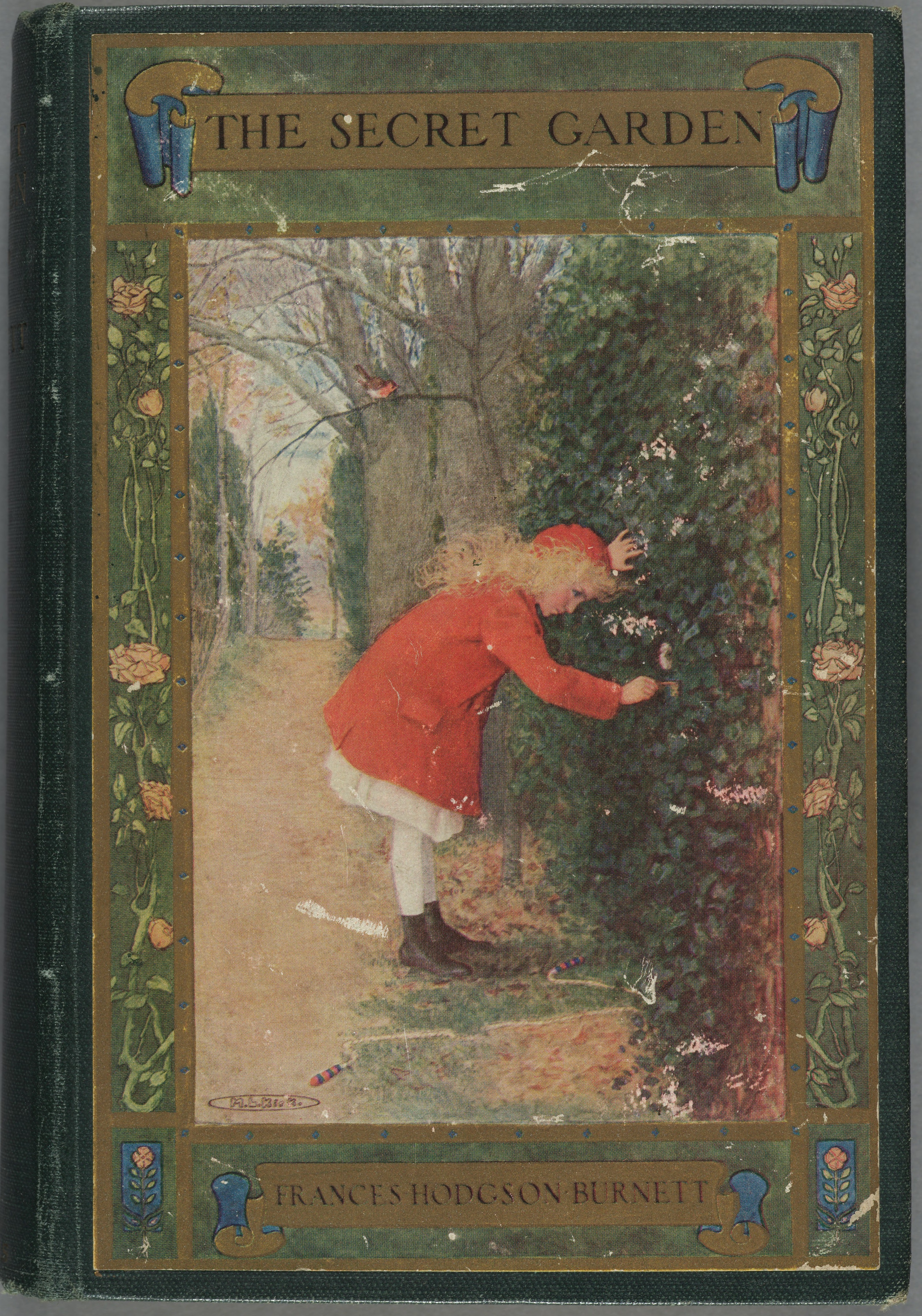
Let’s dig into the muddy, blooming, and sometimes controversial history of April’s literary landscape.
Let’s embark on a witty romp through the most famous opening lines about spring. We will sift through literary history and uncover background controversies. Let’s explore the perennial impact of April’s grand entrance.
The Power of the Opening Line
There’s an old literary rule: Hook them early, or forever hold your peace. Spring, with its promise of renewal, has been a favorite hook for authors. Why? Because after the gloom of winter, who doesn’t want to start anew? The best writers know that the first line is like the first crocus. It is delicate yet defiant. It pokes up to announce, “Look at me! The story begins now.”
The History: From Chaucerian Showers to Modernist Malaise
It all begins with Geoffrey Chaucer, who in the 14th century opened The Canterbury Tales with an ode to April’s sweet showers and the rebirth of nature:
“Whan that Aprill with his shoures soote
The droghte of March hath perced to the roote…”
Chaucer set the tone: April is the harbinger of pilgrimage, rebirth, and—if you’re an English major—probably a lengthy essay assignment.
But then came Modernism and with it, a certain literary grumbling. Enter T.S. Eliot’s The Waste Land (1922):
“April is the cruellest month, breeding
Lilacs out of the dead land, mixing
Memory and desire, stirring
Dull roots with spring rain.”
Eliot’s lines are as famous as they are gloomy. April is not a playful sprite. Instead, it’s a merciless waker of old ghosts and inconvenient desires. The line alone has launched a thousand think pieces (and at least as many Twitter debates).
Why is April So Controversial in Literature?
At first blush (pun intended), spring should be an easy sell—a time for pastels and poetry. But not all writers are so easily wooed by crocuses and warm breezes. Some key controversies:
- Is Spring Rebirth or Reminder? For every celebration of daffodils, Emily Dickinson wants birds to pipe down at night. She wishes to mourn in peace.
- Too Much Hope? Critics argue that spring’s optimism can be a cruel joke to those suffering from loss, depression, or existential dread. Virginia Woolf once quipped, “At the best of times, spring hurts depressives.”
- Nature vs. Nurture: Harlem Renaissance poet Alice Dunbar-Nelson laments the commercialization of spring. She contrasts “florist shops” with the wild authenticity of “violets beneath your feet.”
Controversy, it seems, is April’s middle name.
Opening Lines That Bloom—and Sting
April, that fickle harbinger of rain, rebirth, and poetic angst, has inspired some of literature’s most unforgettable opening lines. Writers have long turned to April as both muse and metaphor. It stretches from the medieval mirth of Chaucer to the modern melancholy of Eliot. Buckle your literary seatbelt: it’s time to spring into some of the sharpest, saddest, and swooniest April openings ever penned.

Geoffrey Chaucer: “Whan that Aprill with his shoures soote…”
Let’s begin with the OG of April openings: Geoffrey Chaucer’s The Canterbury Tales. In Middle English, no less. When Chaucer writes, “Whan that Aprill with his shoures soote/The droghte of March hath perced to the roote,” he’s not just celebrating a seasonal change. He’s launching a whole human pilgrimage. April’s sweet showers are, for Chaucer, the ultimate reboot—a literal and metaphorical cleansing that sets souls (and feet) in motion.
T.S. Eliot: “April is the cruellest month…”
Fast forward several centuries, and T.S. Eliot is not feeling the spring fever. In The Waste Land (1922), Eliot flips the script: “April is the cruellest month, breeding/Lilacs out of the dead land…” Why so glum, Thomas? For Eliot, April’s promise of renewal is almost a taunt—a reminder of what’s lost or irretrievably changed. The flowers bloom, but the heart remains parched. (Someone fetch this man a raincoat and a therapist.)
Edna St. Vincent Millay: “To what purpose, April, do you return again? Beauty is not enough.”
Millay’s opening from Second April (1921) is the sigh of someone unimpressed by April’s easy beauty. She wants more than mere blossoms; she’s after meaning, depth, something that lasts beyond the ephemeral. “Beauty is not enough,” she complains (and, honestly, who among us hasn’t squinted suspiciously at a crocus, wondering what it’s up to?).
Pablo Neruda: “You can cut all the flowers but you cannot keep Spring from coming.”
Neruda, as ever, looks at April through the lens of hope and defiance. His line is a rallying cry for resilience: snip all you like, but spring—and by extension, joy—will return. April’s spirit, he suggests, is irrepressible. (Florists everywhere, take note.)

E.E. Cummings: “Always it’s Spring (and everyone’s in love and flowers pick themselves.)”
If Chaucer kicked things off with showers and Eliot got existential, E.E. Cummings brings a bit of whimsy. In his hands, April is a nonstop love story—so intoxicating that not even the flowers can resist their own blossoming. It’s springtime at its most irrepressible and romantic, punctuation be damned.
Not to be outdone, even Virginia Woolf and Margaret Atwood weigh in on the muddy, messy magic of spring.
April has something special about it. Its wild, unpredictable weather makes writers swoon. Its blushing blooms inspire them to sulk. Its position as the gateway to summer encourages them to sing. Whether drenching us in hope or existential dread, these opening lines remind us that April is never just a month. It’s a mood, a muse, and a metaphor.
So next time you spot the first daffodil… beware. You might just be about to write your own opening line.
The Impact: How April’s Openings Changed Literature
These famous lines have done more than decorate greeting cards or haunt English syllabi:
- They Set the Seasonal Mood: April’s literary opening lines often establish a book’s emotional climate. Is it hope? Is it despair? Readers know right away.
- They Invite Contemplation: By starting with spring, authors signal themes of renewal—or ironically, of decay and disappointment.
- They Spark Debates: Is Eliot right? Was Chaucer too optimistic? Literary scholars and casual readers alike tussle over April’s meaning every year when daffodils bloom (and allergies begin).
Why April Keeps Opening Doors
So what is it about April that makes it the darling of literary openings? Is it the promise of rain-soaked possibility? The playful tease of sun through clouds? Or is it the simple thrill for poets and readers alike? The year’s most unpredictable month has just arrived on the scene. It comes with a pen in hand, ready to write the story anew.
April’s opening lines remind us: every spring, the world begins again—not with a whimper, but with a line worth remembering. Whether you appreciate Chaucer’s optimism or Eliot’s existential dread, April still makes an entrance. You might enjoy Millay’s tangled emotions, Neruda’s hopeful invitation, or Cummings’s quirky exuberance, but one thing is certain. April never enters quietly.
So next time April knocks, pay attention to her first words. She might just be writing your story’s next great opening.

April showers bring not just flowers, but lines that bloom forever.
About the Author: Esther Lombardi is a freelance writer, literary scholar, copywriter, and all-around word-wrangler. With more than two decades of expertise, she has a knack for excavating golden lines from literature’s treasure troves. You can find her at abookgeek.com, her LinkedIn, or time2writenow.com—where she transforms storytelling into an art and content writing into a science.
Discover more from A Book Geek
Subscribe to get the latest posts sent to your email.


